Grow a Raw Garden: Veggies That Taste Best Straight From the Plant
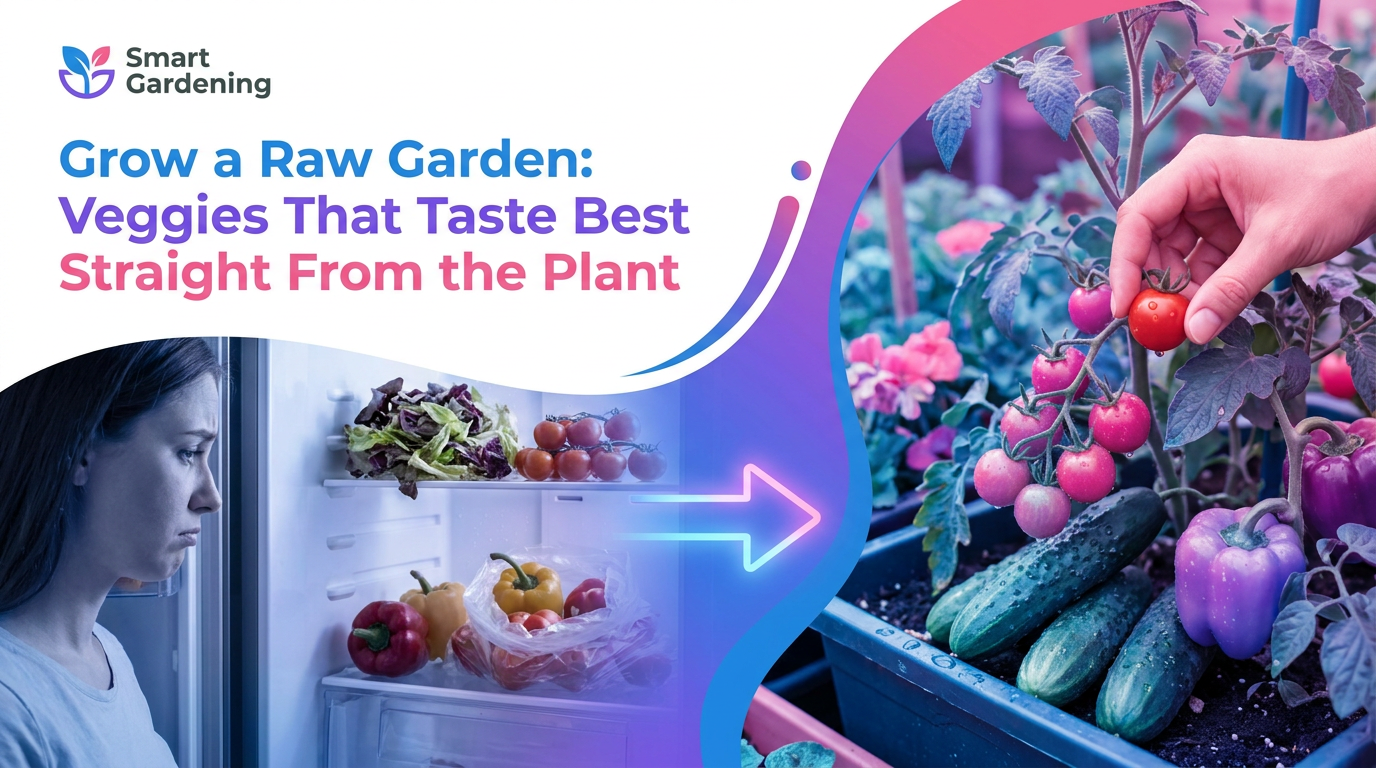
You stand at the fridge, door open, staring at a sad, limp bag of mixed salad leaves that went slimy three days earlier than you expected. The cherry tomatoes are mealy, the cucumbers are watery, and the bell peppers were somehow both expensive and dull.
Then you remember that time you tasted a tomato from a friend’s garden. It was so sweet it barely needed salt. Imagine building a whole bowl like that—crisp, juicy, full of snap and flavor—without ever turning on the stove.
That’s what a raw garden is for: a small, intentional patch or cluster of containers that exist purely to be eaten fresh, straight from the plant or with the most minimal prep. No simmering. No roasting. Just rinse, chop, eat.
This guide shows you how to plan and plant a beginner‑friendly raw garden so you get the crunch, sweetness, and nutrition you never find in store‑bought produce.
What a Raw Garden Actually Is (and Why It’s Different)
A raw garden isn’t just “any vegetable garden where you sometimes eat salad.” It’s planted around one question:
Will this taste great raw, right after I pick it?
That question changes what you grow, where you plant, and when you harvest.
In a typical vegetable patch you might:
- Plant big storage crops (potatoes, winter squash) that need cooking.
- Grow huge, single‑harvest heads of lettuce that all come ready at once.
- Choose varieties bred for shipping and storage, not flavor.
In a raw garden, you:
- Prioritize crops bred for sweetness, tenderness, and thin skins.
- Plant for frequent, small harvests rather than one big one.
- Focus on textures and flavors that work together in no‑cook meals.
You’re building your own “living salad bar” a few steps from your kitchen. Every plant you add should earn its place in that bowl.
Decide Your Raw Garden Style Before You Buy a Single Plant
Before you touch soil, get clear on what you actually want to eat raw. The goal isn’t to grow every possible raw veggie—it’s to nail the few you’ll use constantly.
Ask yourself three questions:
- What do you already eat raw every week?
- Salad mix, cucumbers, cherry tomatoes, carrots, peppers?
- How much time do you want to spend prepping?
- Can you grate carrots and chop cabbage, or do you want mostly rinse‑and‑eat?
- Where will you eat this?
- At the kitchen table, in lunch boxes, as snacks on the balcony?
Then pick one style as your main focus for this season:
- Snack garden: cherry tomatoes, snap peas, baby cucumbers, strawberries, baby carrots. Eat straight from the plant.
- Salad bowl garden: looseleaf lettuces, arugula, spinach, salad turnips, radishes, snack‑size cucumbers.
- Wrap & bowl garden: romaine, butterhead lettuce, kale, herbs, crunchy cabbage for slaws, scallions.
You can mix and match, but choosing a primary style helps you avoid buying random plants that don’t really fit how you eat.
If you’ve read the earlier article in this series about turning a tiny deck into a veggie court, apply that same mapping idea here: sketch your space, then plug in crops that match your chosen style.
Best Raw Garden Vegetables for Maximum Crunch and Sweetness
You don’t need a huge list. Start with plants that are:
- Easy for beginners.
- Fast to harvest.
- Clearly better fresh than store‑bought.
Here are core raw‑garden superstars and why they shine.
1. Looseleaf Lettuce (Not Big Heads)
Looseleaf types (often sold as “cut‑and‑come‑again” or “leaf lettuce”) keep producing after you harvest.
Why they’re perfect raw:
- Tender leaves, never bitter if picked young.
- Regrow for weeks or months.
- Mix colors and leaf shapes for prettier bowls.
Look for names like:
- ‘Green Oakleaf’
- ‘Red Salad Bowl’
- “Mesclun mix” seed packs
How to use:
- Snip a bowlful with scissors, rinse, eat.
2. Arugula, Spinach, and Baby Asian Greens
These leafy greens are fast and forgiving.
Why they’re perfect raw:
- Arugula adds peppery bite.
- Spinach brings soft, mild leaves.
- Baby pak choi/tatsoi add crunch and a mild mustard flavor.
Buy:
- Seed packets labeled “baby leaf mix,” “stir‑fry mix,” or “Asian greens mix.”
3. Cherry and Grape Tomatoes
Skip big slicers as a beginner. Cherry types are far more reliable.
Why they’re perfect raw:
- Thin skins, super sweet when vine‑ripened.
- Fruit sets even in containers.
- Zero prep: twist off, eat.
Look for:
- ‘Sungold’ (orange, very sweet)
- ‘Sweet 100’ or ‘Supersweet 100’
- Mixed cherry blends
4. Snack Cucumbers
Regular slicing cucumbers can be great, but small “snack” or “mini” types are more productive in pots.
Why they’re perfect raw:
- Thin skin, minimal bitterness.
- Crunchy even in hot weather if watered consistently.
Look for words like:
- “Mini,” “snack,” “gherkin,” or “pickling” cucumbers.
5. Sugar Snap Peas and Snow Peas
These are early‑season candy.
Why they’re perfect raw:
- You eat the whole pod.
- Sweet and crunchy straight off the vine.
Choose:
- “Sugar snap” or “snap peas” for plump pods.
- “Snow peas” for flat pods in stir‑fries and slaws.
6. Baby Carrots and Salad Turnips
Not the huge storage carrots—the baby types.
Why they’re perfect raw:
- Pull at finger‑size for tender, sweet roots.
- Salad turnips (like ‘Hakurei’) are crisp, juicy, and mild, almost like apples.
Look for:
- Seed packets labeled “baby carrot,” “snack carrot,” or ‘Hakurei’ turnip.
7. Radishes (for Color and Bite)
Radishes are almost instant gratification.
Why they’re perfect raw:
- 25–35 days from seed to harvest.
- Peppery crunch brightens salads and tacos.
Choose:
- Round red types (‘Cherry Belle’)
- Multi‑colored mixes (‘Easter Egg’)
8. Sweet Bell and Snack Peppers
In cooler climates, buy starter plants rather than seeds.
Why they’re perfect raw:
- Thick, juicy walls for crunch.
- Sweet snack types are excellent for dipping.
Look for:
- “Lunchbox” or “snack” peppers.
- Small bells if you have limited space.
9. Herbs That Turn a Bowl Into a Meal
Herbs are the flavor glue in raw meals.
Top picks:
- Basil – Caprese salads, tomato bowls, quick pesto.
- Cilantro – Salsas, grain bowls, wraps.
- Parsley – Tabouleh, green sauces.
- Chives/green onions – Gentle onion flavor without tears.
You don’t need all of them. Pick the two you cook with already.
Simple Raw Garden Layouts for Pots, Balconies, and Small Beds
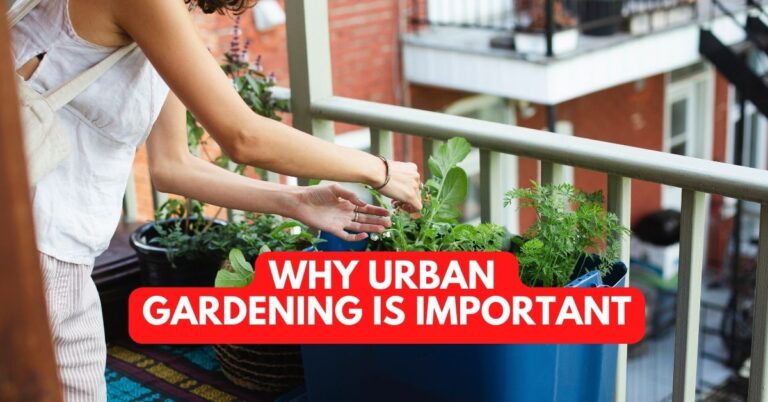
You can build a raw garden almost anywhere: along a sunny railing, in a plastic trough on the patio, or in a narrow raised bed by the back fence.
Use these sample layouts as templates.
Layout 1: One‑Box Salad Bar (90 cm / 3 ft long planter)
Perfect for balconies and decks.
Use a rectangular planter at least 20–25 cm (8–10 in) deep.
Plant:
- Back row: 4–5 snack cucumbers on a simple trellis.
- Middle: 2 clusters of looseleaf lettuce, 1 cluster of arugula.
- Front edge: A strip of baby carrots and a strip of radishes, sown in rows.
This gives you:
- Vertical crunch (cucumbers).
- Daily salad greens.
- Quick radishes while carrots slowly develop.
Layout 2: Two‑Pot Snacking Station
Only have room for two big pots? You can still snack fresh all season.
Use two 30–40 cm (12–16 in) diameter pots.
Pot 1:
- 1 cherry tomato in the center.
- 4 basil plants around the edge.
Pot 2:
- 1 snack pepper in the center.
- 4–6 looseleaf lettuces around the edge.
You’ll harvest:
- Cherry tomatoes and basil for caprese‑style plates.
- Pepper strips and lettuce leaves for wraps and sandwiches.
Layout 3: 1×2 m (3×6 ft) Raw Garden Bed
If you have a small patch of soil or a raised bed, this layout gives you variety without overwhelm.
Divide the bed mentally into six squares (each about 0.5×0.5 m / 1.5×1.5 ft):
- Square 1 (trellis side): Sugar snap peas (spring) → snack cucumbers (summer) sharing the trellis.
- Square 2: 2–3 cherry tomato plants.
- Square 3: Sweet peppers (snack or bell), 4 plants.
- Square 4: Looseleaf lettuce mix.
- Square 5: Spinach + arugula mix.
- Square 6: Radishes at the front, baby carrots behind.
Edge the bed with herbs like basil and chives wherever you find gaps.
Soil, Containers, and Sun: Getting the Basics Right for Crisp Veggies
Crunchy, sweet raw vegetables come from healthy plants. Healthy plants come from three things done well: sun, soil, and water.
Sun: The Non‑Negotiable
Most raw‑garden favorites need 6–8 hours of direct sun per day.
- Leafy greens (lettuce, spinach, arugula) can cope with 4–5 hours plus bright shade.
- Fruit‑ing crops (tomatoes, cucumbers, peppers) really need 6+ hours.
Stand in your planned spot on a sunny day and literally watch where shadows fall between 9 a.m. and 3 p.m. If a tall building blocks the sun for most of that window, dedicate that area to leafy greens and herbs, not tomatoes.
Soil and Potting Mix
If you’re growing in containers, skip “garden soil” bags. Use potting mix labeled for containers. It should feel light and fluffy.
For beds or ground:
- Mix in 5–10 cm (2–4 in) of compost over the planting area and fork it into the top 15–20 cm (6–8 in).
Crisp textures depend on consistent moisture and nutrients. A good mix holds water but also drains well.
Container Size Guidelines
Aim for these minimum sizes:
- Cherry tomato: 20–30 L (5–7 gal) pot.
- Snack pepper: 10–15 L (3–4 gal).
- Cucumber (single plant): 15–20 L (4–5 gal) with a stake or trellis.
- Lettuce mix: 15–20 cm (6–8 in) deep window box.
- Herbs: 15–20 cm (6–8 in) pots.
Grow fewer plants in bigger containers rather than many in cramped pots. Stressed, root‑bound plants give small, bitter, or tough harvests.
Planting: Seeds vs Seedlings for a Raw Garden
New gardeners often waste time and money starting everything from seed indoors. For a raw garden, combine buying seedlings and sowing a few easy seeds directly.
Buy Seedlings For:
- Cherry tomatoes.
- Snack or bell peppers.
- Cucumbers.
- Many herbs (basil, parsley, chives).
Look for:
- Short, stocky plants.
- Deep green leaves.
- No yellowing, spots, or bugs.
Avoid tall, leggy seedlings with roots circling the bottom of the pot.
Sow Seeds Directly For:
- Lettuce and salad mixes.
- Arugula and spinach.
- Radishes.
- Baby carrots.
- Peas (snap and snow) in early spring.
Basic sowing steps:
- Moisten the soil before sowing.
- Follow depth guidelines on the packet (most small seeds need only a thin covering).
- Sow a bit thicker than you think—then thin.
- Keep the surface evenly moist until seedlings are established.
Succession Planting So You Don’t Get Overwhelmed
You don’t need to sow a full packet at once.
For steady raw harvests:
- Sow small patches every 2 weeks of lettuce, radishes, and arugula.
- After you harvest a row of radishes, re‑sow that strip.
This keeps your bowl full but manageable.
Watering for Crunch, Not Mush
Watering is where most new gardeners either drown plants or starve them. Both extremes ruin raw‑eating quality.
The goals:
- Keep soil consistently moist, not soggy.
- Avoid long dry spells followed by heavy soaking.
Simple Watering Rules
- Stick your finger 3–4 cm (1–2 in) into the soil.
- If it’s dry at that depth, water.
- If it’s damp, wait another day.
- Water deeply:
- For pots: water until it runs from the drainage holes, then stop.
- For beds: water slowly until the top 15 cm (6 in) is moist.
Frequency will vary:
- In hot weather, container plants may need water every day.
- In cool, cloudy weather, every 2–3 days might be enough.
Why Consistent Watering Matters for Raw Quality
- Lettuce and greens: Dry soil can make leaves bitter and tough.
- Radishes and carrots: Uneven moisture leads to woody roots and splitting.
- Cucumbers: Stress from drought makes them bitter.
If you can, water in the early morning. Leaves dry quickly, reducing disease, and plants start the day fully hydrated.
Harvest Timing: How to Catch Peak Crunch and Flavor
The same plant can be divine one day and woody or limp a few days later. The secret to a great raw garden is learning when to pick.
General Harvest Timing
- Morning is best: plants are fully hydrated, leaves are crisp.
- Pick small and often rather than waiting for “maximum size.”
Crop‑by‑Crop Harvest Cues
Looseleaf lettuce and baby greens
- Start when leaves are 10–15 cm (4–6 in) tall.
- Either
- Snip outer leaves and leave the center to regrow, or
- Shear the top third of the patch; it will re‑sprout.
- Don’t wait until leaves taste bitter—if they do, harvest smaller next time.
Arugula and spinach
- Harvest leaves around the size of your thumb to your palm.
- If plants start to send up a tall flower stalk, they’ll turn bitter. Pick heavily before that.
Radishes
- Check the size of the root where it emerges from the soil.
- Harvest at about 2–3 cm (¾–1 in) across.
- If left too long, they become pithy and hot.
Baby carrots
- Start testing at finger thickness.
- Gently pull one from each area to check size and sweetness.
Sugar snap and snow peas
- Snap peas: harvest when pods are plump but seeds aren’t huge.
- Snow peas: pick when pods are full size but still flat.
- The more you pick, the more the plant produces.
Cherry tomatoes
- Ripe when fully colored (red, orange, yellow, etc.) and slightly soft to the touch.
- Taste one; if it’s bland, leave the rest a day or two longer.
Cucumbers
- Snack types are best around 10–15 cm (4–6 in) long.
- Skin should be glossy, not dull.
- Overgrown fruits get seedy and bitter.
Peppers
- Green stage: sharper flavor, less sweet.
- Colored stage (red, yellow, orange): maximum sweetness for raw eating.
- Plants yield less total fruit if you wait for full color, but raw flavor is much better.
Herbs
- Basil: pinch stems above a leaf pair once plants are 15–20 cm (6–8 in) tall.
- Parsley and cilantro: cut outer stems at the base; leave the center growing.
- Chives: snip leaves down to 2–3 cm (1 in) above soil.
No‑Cook Ways to Use Your Raw Garden Harvest
You don’t need complicated recipes. Keep a few base formulas in mind and plug in whatever you harvest that week.
1. Five‑Minute Garden Bowl
- Base: handfuls of lettuce, spinach, and arugula.
- Crunch: sliced cucumbers, snap peas, radishes, grated carrot.
- Sweet: cherry tomatoes.
- Fat: avocado slices or a drizzle of olive oil.
- Acid: lemon juice or vinegar.
- Salt and pepper.
Toss. Eat out of the same bowl you mixed it in.
2. Lettuce Wrap Lunch
- Big leaves of romaine or butterhead.
- Fill with sliced peppers, cucumbers, herbs, and leftover cooked protein (beans, chicken, tofu).
- Spoon over a little yogurt or hummus.
Roll and eat like tacos.
3. Raw Crunch Toppers
Use small quantities of your harvest to upgrade anything:
- Chopped herbs and green onions on eggs.
- Shaved radishes on avocado toast.
- Halved cherry tomatoes on supermarket pizza.
4. No‑Cook Herb Sauces
Blend or finely chop:
- Big handful of herbs (basil, parsley, cilantro).
- Garlic or green onion.
- Olive oil, lemon juice, salt.
Spoon over cooked grains, leftover roasted veggies, or grilled meat/fish. You used your raw garden to make everything else taste better.
Common Raw Garden Mistakes (and Easy Fixes)
You will make mistakes; every gardener does. These are the most common for raw gardens—and how to correct them next time.
Mistake 1: Too Many Big, One‑Time Crops
Problem:
- Planting full heads of lettuce, cabbages, or big tomatoes that ripen all at once.
Fix:
- Switch to looseleaf lettuces and cherry tomatoes.
- Plant smaller amounts every 2 weeks instead of a large planting once.
Mistake 2: Stressed, Bitter Greens
Problem:
- Leaves taste bitter or tough.
Likely causes:
- Not enough water.
- Growing in hot, direct afternoon sun in midsummer.
- Leaving plants too long before picking.
Fix:
- Move greens to morning sun/afternoon shade if possible.
- Water more consistently.
- Harvest younger.
Mistake 3: Mealy Tomatoes and Bland Cucumbers
Problem:
- Fruit lacks sweetness or has bad texture.
Likely causes:
- Too little sun.
- Overwatering right before harvest.
- Variety not suited to your climate.
Fix:
- Ensure 6–8 hours of sun.
- Water consistently but avoid massive soakings right before fruit is fully ripe.
- Try different varieties next season; ask local gardeners what works for them.
Mistake 4: Sowing Once, Then Having Nothing
Problem:
- Big flush of radishes or greens, then bare soil.
Fix:
- Get into a rhythm: mark every second weekend on your calendar as “sow again” day.
- Keep a tiny box of seed packets and a hand trowel near your garden spot.
Mistake 5: Overcomplicating Everything
Problem:
- Trying to grow 20 crops at once, burning out, then quitting.
Fix:
- For your first raw garden season, choose:
- 2 greens
- 2 fruits (tomato, cucumber, or pepper)
- 2 roots (radish, carrot, or salad turnip)
- 2 herbs
Master those. Add more later if you still feel excited.
A raw garden isn’t about becoming a homesteader overnight. It’s about stepping outside, picking five perfect cherry tomatoes and a few crisp leaves, and discovering how different food can taste when it travels meters instead of miles.
Start small. One box, two pots, or a single tiny bed is enough to change how you feel about salads, snacks, and weeknight dinners. And when you’re ready to add more crops or experiment with new layouts, you can build on the same simple principles you used here.